Starship Troopers is perhaps Robert Heinlein’s most widely known work. Set in a future 700 years from now, it details an interstellar war between the humans of earth and an alien species referred to as ‘bugs’. On one hand a coming of age novel, on the other, a exploration of political philosophy, it has garnered both praise and criticism. It follows Johnny Rico as he rises through the ranks in the Terran Federation’s army. In 1997, a film was made, which (supposedly) satirised the views espoused by the book.
The book has been especially influential in its imagination of future war. This includes, in particular, the use of power armour, a type of mechanised exoskeleton, to enhance human combat abilities. Power armour has become a widespread feature of science fiction in books, films, and video games, notably inspiring figures like Iron Man, and many more besides. Heinlein goes into detail about how it is controlled, how communication lines are opened, and how the performance-enhancing capabilities of the suit are activated. It’s deeply riveting.
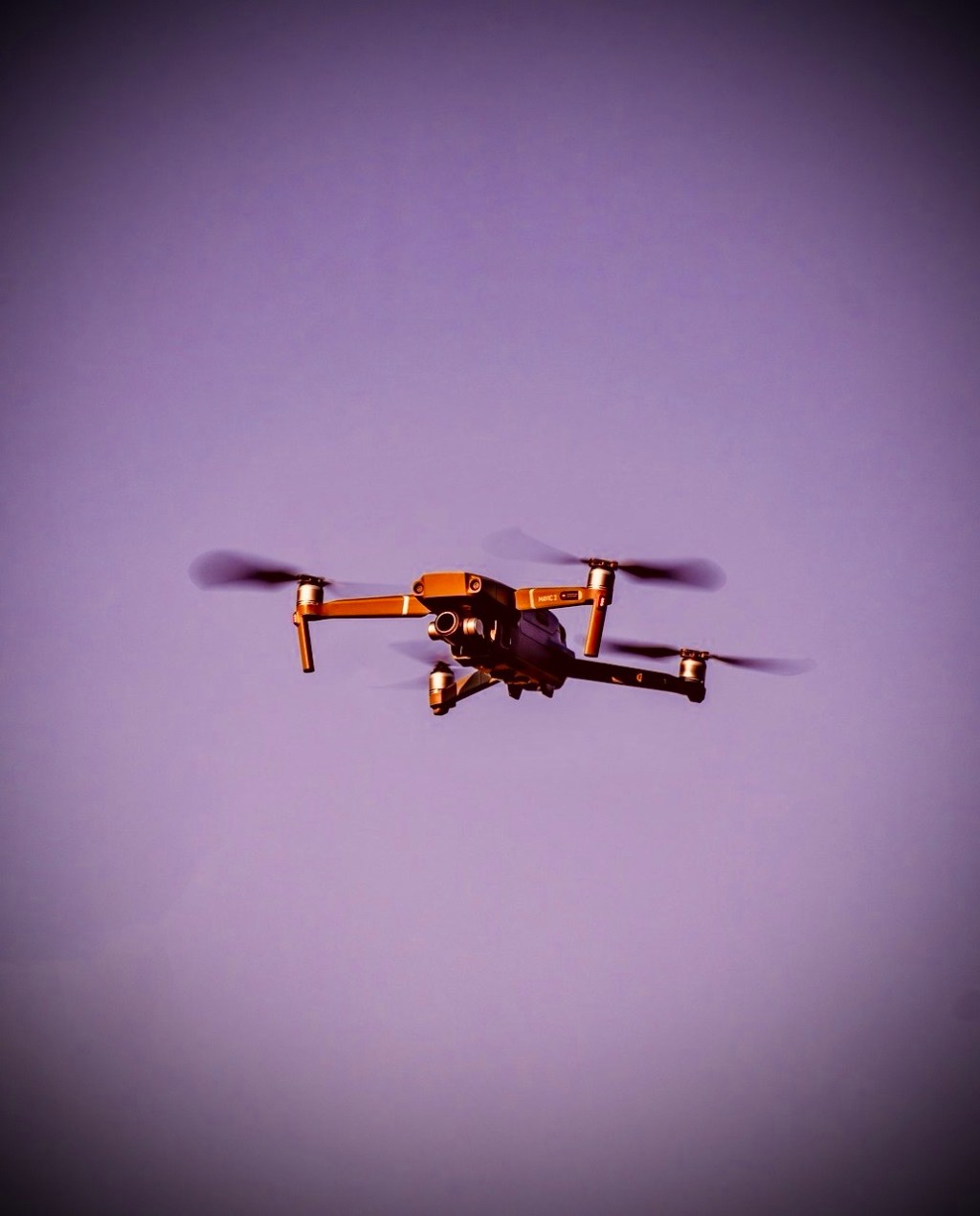
How true to life has this vision been? While using machinery to enhance human capabilities in warfare has been experimented with, with the advent of remote control technology and robotics, not to mention artificial intelligence, it is drone warfare that has become the new staple of twenty-first century combat. It has replaced the need for human presence in several combat situations, in particular aviation. By reducing the need for ‘boots on the ground’, it has enabled politicians to maintain support at home for wars abroad by lowering the number of casualties on their side. Conversely, drone warfare has deep ethical considerations, in particular the scope for impersonal and indiscriminate killing. This is not the vision presented by Heinlein, who keeps human soldiers central to the technology. In the book, it seems, it is the bugs that are drones, with central ‘brains bugs’ that direct and control fearless warrior bugs—which, like drones, have a complete lack of self-preservation.
Starship Troopers is complex in its politics. It presents a militarised view of the future, with citizenship earned through military service. This is justified and explored by Heinlein through the voice of Jean V. Dubois, Rico’s teacher of History and Moral Philosophy in school. Amidst this, it presents a vision of equality, where service, rather than economic status, race, or gender, is the pathway to citizenship. Despite this, gender lines are still drawn: the troopers are entirely men, pilots of the spaceships entirely women. The politics have become the most controversial aspects of the books; indeed, the film version of the book sought to parody what some interpret as fascist elements (though, in my opinion, it wasn’t particularly well done, and it didn’t help that the film views like a children’s movie that someone decided to imbue with an overabundance of gore). In particular, given its focus and support for militarism, combined with its critique of twentieth century society as morally corrupt (written, as it was, during a liberalising era and against the backdrop of the Cold War), some view it as a recruitment piece—propaganda to make military life seem exciting, honourable, and tantalising. In this it has its modern parallels, notably the Call of Duty franchise, which itself has been seen to glorify war.
Heinlein’s space age novel therefore has much to offer and much to criticise. One of its key failings, at least on my reading, was its lack of exploration of military tactics against an unusual enemy. It withholds a captivating combat scene until the very end, and only then does it explore how a race dependent on technology could fight against a caste-like species that communicated via a hive mind. Despite this, and despite the various other criticisms levied against it, Starship Troopers is an interesting read with relevance to this day. It remains worthy of our attention and critical engagement.

 Peter R. S. Thomas