Tag: indie author

  • Flash Fiction: A Vision of What Might Have Been

    Flash Fiction: A Vision of What Might Have Been

    There wasn’t always a castle on the hill. The seed was planted many years ago. A warc carried a stone, a vision of what might have been, and buried it six inches below the surface of the earth.

    The warc covered it with loose soil, its gritted, gnarled hands clawing desperately at the ground.

    A vision of what might have been.

    The castle grew over time, stones assembling themselves piece by piece, year on year. The locals in the village below watched with curiosity, waking every morning to see it risen slightly higher. None ever saw the workman. They went to bed and woke each morning feeling just a little safer.

    It was just what the warc had wanted. A gift for the village, unsolicited, but earned.

    The warc stepped backwards through time. The journey is linear, and to a creature that appears more branch and moss than flesh and bone, it is the correct and only direction.

    So to see what might have been is, for a warc, to see and anticipate the future.

    And the walk backwards, step by step, is, for those whose feet go against that flow, to see the future with utmost clarity.

    The villagers did not survive the strangers, who arrived one night carrying torches and flame, and put to waste thatch roofs and wooden walls. They took with them wheat and mutton and stores of fresh water. And carried on their quest.

    It was an important quest, of that they were certain, but the details matter not. To the villagers, the quest meant nothing; and yet they perished at its hand, and valiantly. They fought against the tide, with pitchforks and sharpened poles, but to no avail. They were swept out to a starless sea.

    The warc watched, and was moved by what it saw. And so it vowed to reward the villagers for their bravery. A stone was fashioned such that it would bless the village with strength and fortitude. A place for them to retreat.

    And so it was that the stone was planted.

    And, so it was, that a hundred years hence, in the deep past of the warc’s journey, as time flowed back against the grain of its footprints, the villagers retreated to the walls of this castle at the first sign of flame.

    And the thatch roofs burned, and the wheat and mutton was taken, but the villagers, brave as they were in that vision of what might have been, lived long enough to rebuild their homes and replenish their stocks.

    And they cursed the strangers who rode through their lands. But they knew not the vision of what might have been, for to them the castle had always been there, a steadfast relic of generations gone.
  • Flash Fiction: The Tomb and the Broom

    Flash Fiction: The Tomb and the Broom

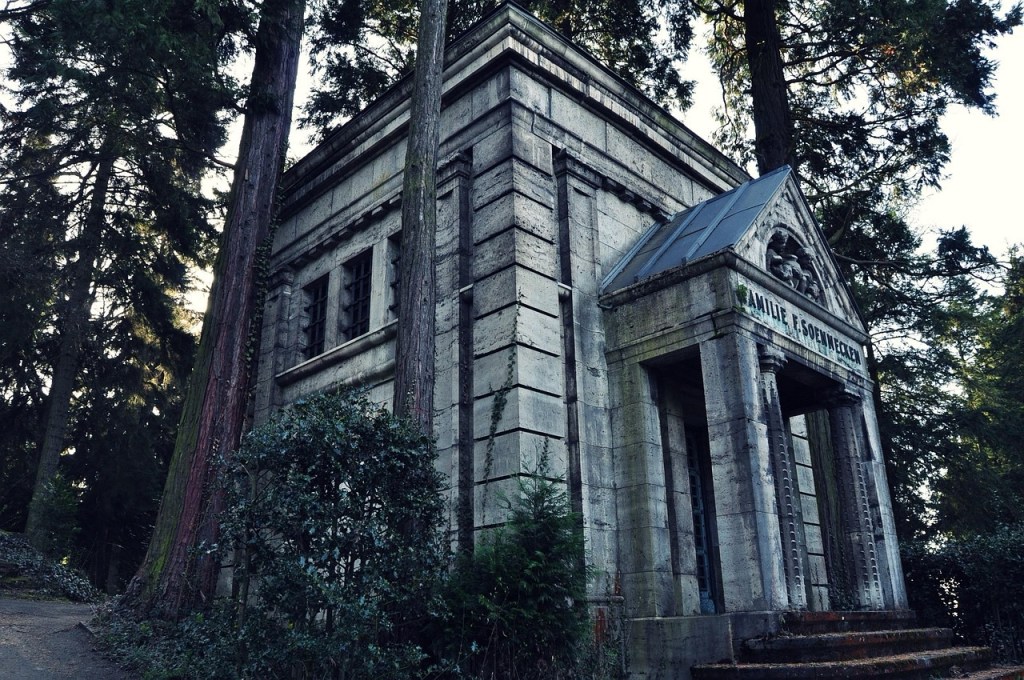
    I entered the tomb.

    In the room of the tomb was a broom.

    The broom was sweeping the floor.

    The floor was poor.

    The flaw of the floor was its scores of doors.

    They were trap doors, of course.

    Not traps for rats or cats, but traps hidden under mats.

    I lifted a trap and found stairs.

    Stairs to where, I did not care.

    Descending the stairs, I entered a lair.

    I said a silent prayer.

    For in the lair was the mayor.

    The hair of the mayor was fair, his stare austere.

    What he said as he turned his head filled me with dread.

    He said, ‘Hi, I’m Fred. And I’m dead.’

    Dead Fred led me to a shed, that he said contained a bed.

    In the bed was Ted.

    So he said.

    But Ted had fled the bed and in his stead was Theodore.

    It was Theodore under the door in the floor, in Fred’s bed where Ted was led, in the lair of the mayor, oh so austere.

    It was not what I thought I would find.

    Not that I ought to mind.

    For I entered the tomb and looked through the gloom for a magical broom that could sweep a whole room.

  • Book Review: Ashen Dawn

    Book Review: Ashen Dawn

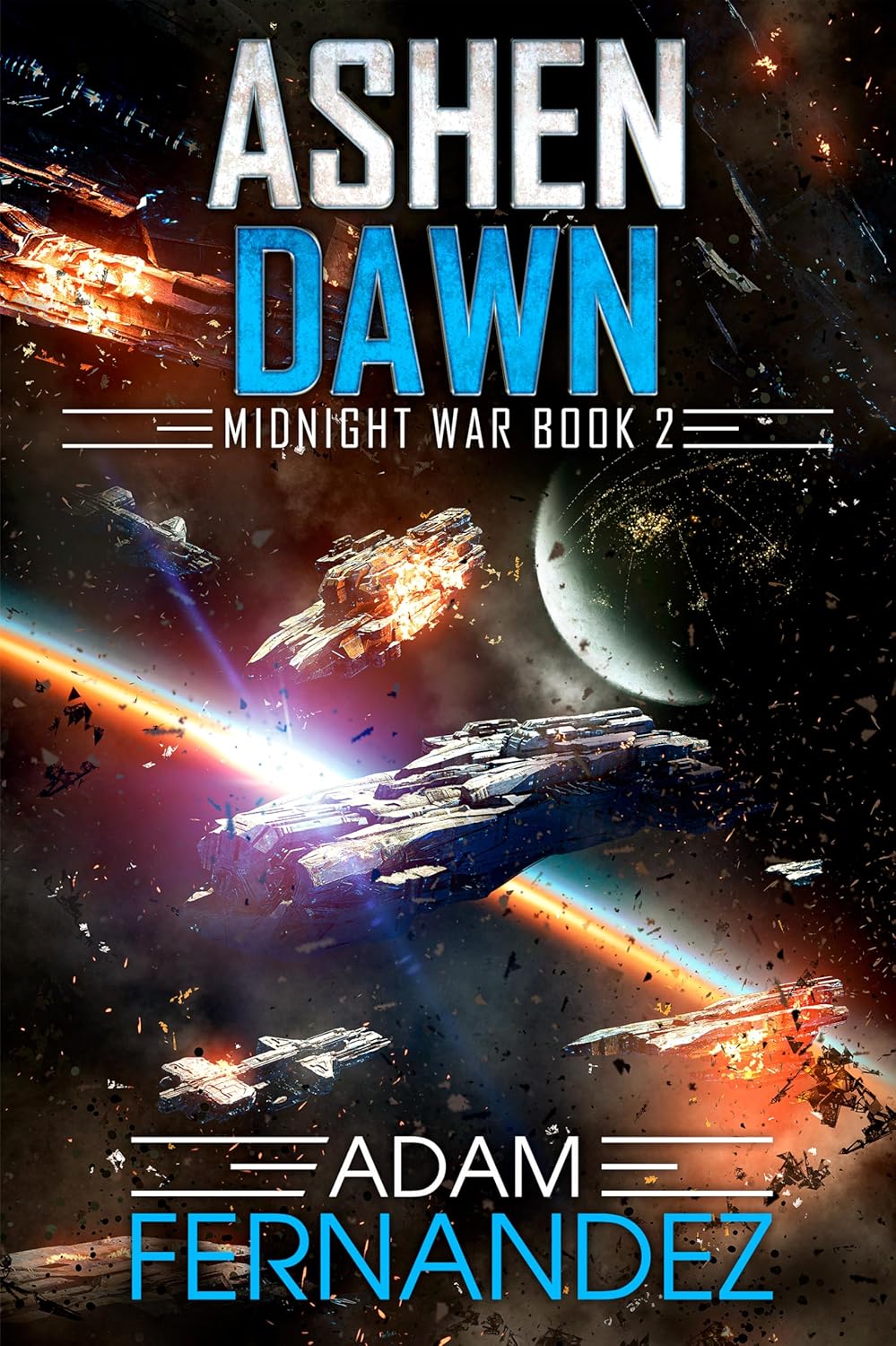
    Ashen Dawn, the second book in the Midnight Wars sci-fi/space opera saga, follows on where Vermillion Flames left off. We accompany Silas, Kaya, and Aron as they continue their respective quests—Silas to bring the Pandora fleet back to fighting strength, Kaya as she finds herself stranded on Earth, and Aron as he continues the fight on Mars.

    As with the first book, Fernandez builds a rich and expansive universe, revealing a deep history as we progress through the story. The reader is left with a sense that there is much to explore, and that these adventures are only scratching the surface. The role of religion is again central—it is foundational to how the society functions, and it forms a core part of Silas’ motivation. The author does well to explore how faith can be at odds with the theocratic systems of power, in a way that helps the reader deeply sympathise with the character’s struggles. Indeed, one of my favourite parts of the book was when Silas, through a traumatic event, comes to accept how he can move forward against the established religious system with his faith still in tact. I won’t spoil it, but that passage is as vivid and engaging as anything Fernandez has written.

    Kaya, too, continues to grow in confidence, asserting herself as she explores the remains of Earth.  Here she uncovers many dark secrets…

    The plot itself is a rollercoaster, with plenty of twists and turns that will keep you reading. It is told through multiple points of view. This choice in itself is effective, though I did find the pacing to be a little off. Successive chapters focus on the same character, and I felt that these could have been more evenly spread. Regardless, the different perspectives do help capture the varying parts of an intricate storyline. The inclusion of Aron and, later on, Henry as POV characters is welcome. And, as before, the battle scenes are engaging and the side characters are endearing (Marcus, once more, a personal favourite!). 

    The ending of the book is satisfying but, as one would expect, as some questions are answered, more are raised, and we are left eagerly awaiting the next instalment!

  • Book Review: Vermilion Flames

    Book Review: Vermilion Flames

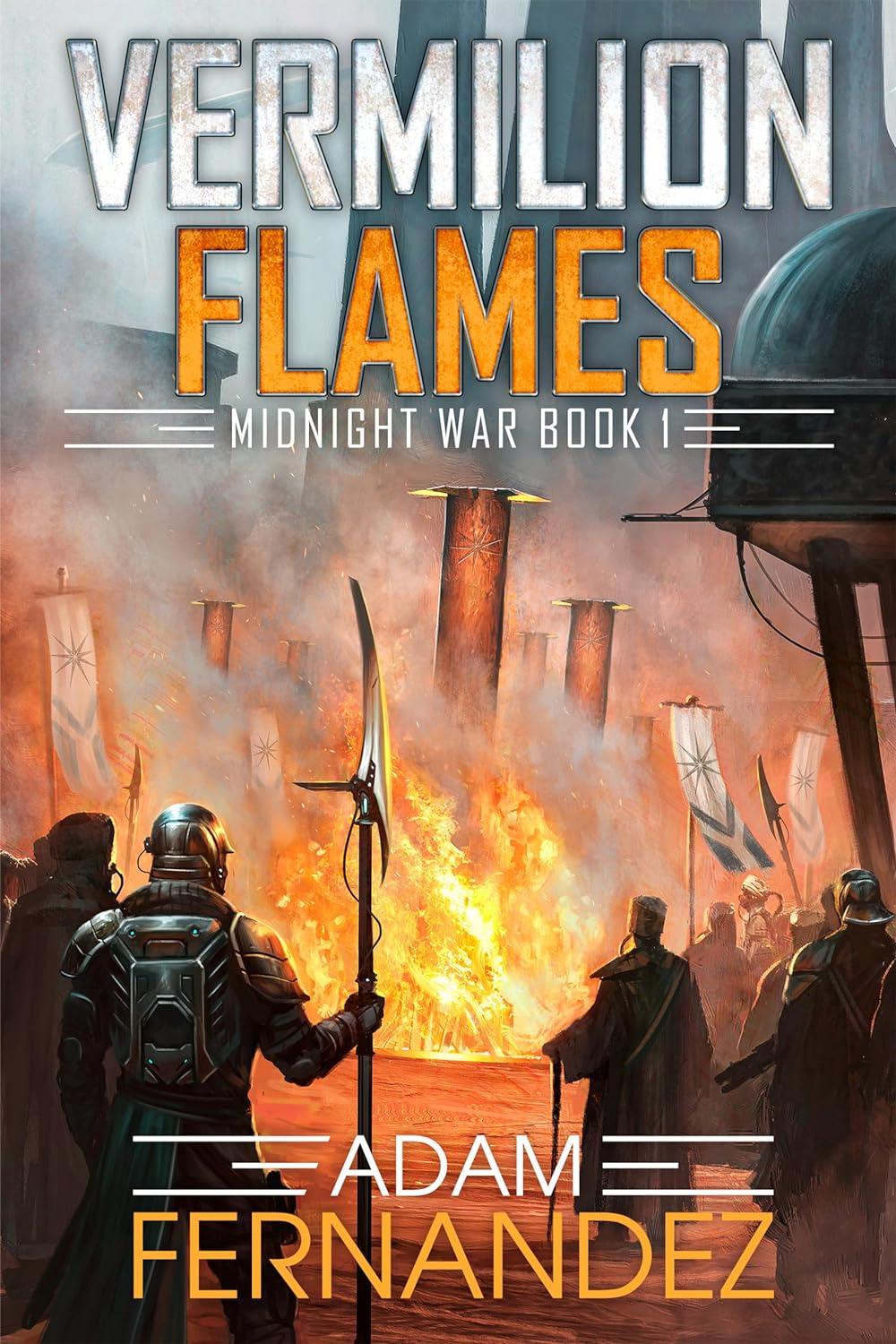
    Vermilion Flames is an exciting introduction to the Midnight Wars series by Adam Fernandez. It follows Kaya, the rebellious daughter of a Mercurian lord, and Silas, the earnest commander of a powerful fleet of spaceships. Their stories intertwine as Kaya becomes coopted into a rebellious force as Silas seeks to crush it. Set in a feudal future where aristocrats and theocrats vie for power across the solar system, much will be familiar to fans of science fiction, and there is much for them to enjoy.

    The story is set up nicely and unfolds at a good pace, with a series of twists and turns (that I won’t spoil). The strength of the book is in its characters and world building. The characters have range, and their personalities come through well, while the world is fleshed out and believable. A favourite character of mine is Marcus, Silas’ brother-in-law, who is snackish and snarky, but with a tender, emotional side that comes across as the story develops.

    The book is generally well-written. There are areas where word choice could be more diverse, and there is some overuse of pronouns in places that makes it unclear who is talking. But these are minor flaws in an otherwise well-told story. The action sequences are excellent, and the dialogue between the characters showcases their personalities and how they develop: Kaya as she grows up and channels her youthful rebelliousness into serious activism, and Silas as he is torn between faith and family.

    Overall, this is a strong debut offering from an independent author, in a series that has great potential. I can’t wait for more!