Tag: book review

  • Book Review: Red Seas Under Red Skies

    Book Review: Red Seas Under Red Skies

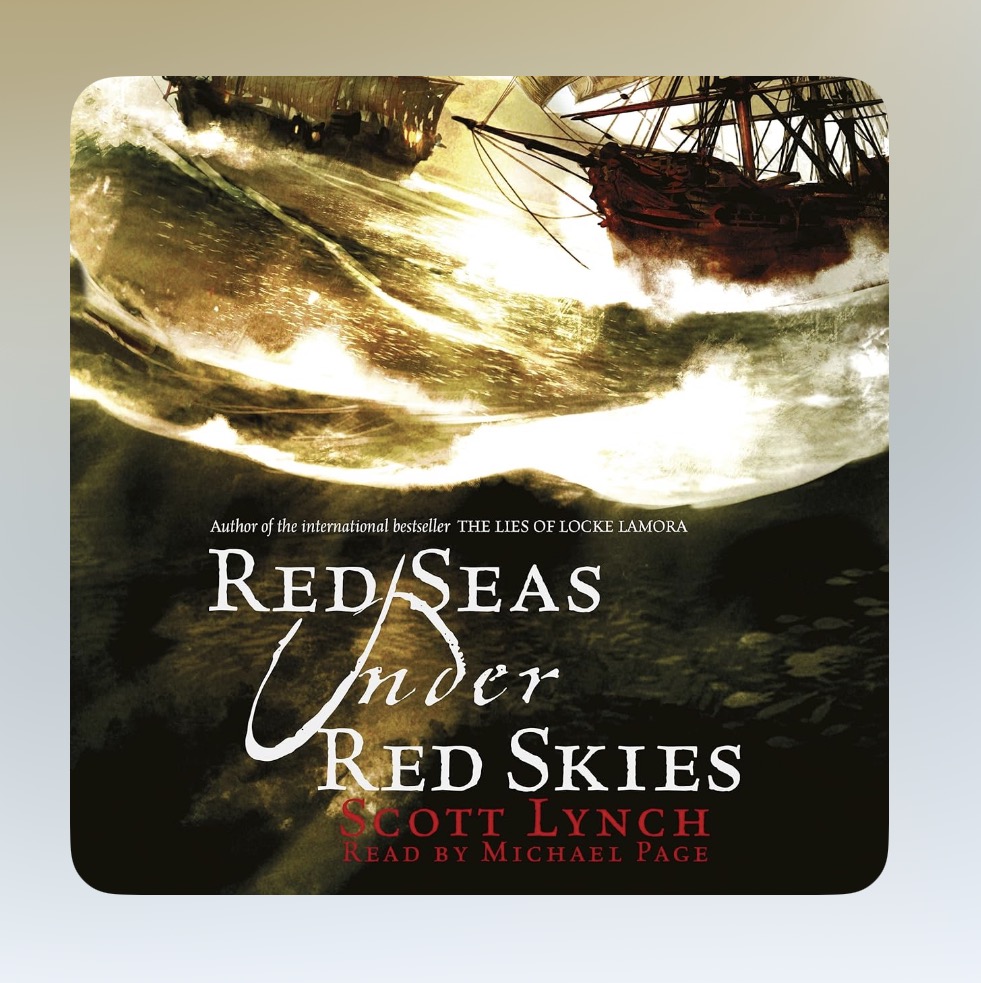
    I really enjoyed Scott Lynch’s The Lies of Locke Lamora so I had to follow it up by reading Red Seas Under Red Skies.Being back in the world with Locke and Jean felt like reconnecting with old friends; it had the kind of comfort that comes from reentering a rich fantasy word. And, as hoped, Lynch wastes no time throwing them into another elaborate scheme that goes spectacularly sideways.

    The pacing hits the same sweet spot that made the first book work so well. Just when I thought I had figured out where the plot was heading, something would happen that sent everything spinning in a new direction. The core structure mirrors the first book: a carefully planned con that gets derailed by forces much bigger than our protagonists. But it never feels repetitive.

    Like many of the books I love, this one has pirates. And it’s clear the author did his homework. The use of period-accurate nautical terminology (hearing ‘larboard’ instead of the more familiar ‘port’ was a nice touch) and historical elements like the mock trials that actually happened aboard pirate ships made the maritime world feel authentic and lived-in. And the characters populating this world continue to be one of the series greatest strengths. They’re diverse and genuinely interesting.

    In this second instalment, the protagonists find themselves poisoned, with their antagonist leading them on with an antidote. This drives the narrative forward and creates a sense of urgency, and also allows the author to resolve lingering threads from the first book while leaving some untied for the next.

    If you enjoyed the first Gentleman Bastard book, this is an easy recommendation. Lynch has crafted a sequel that expands the world without losing what made the original special.
  • Book Review: Stranger in a Strange Land

    Book Review: Stranger in a Strange Land

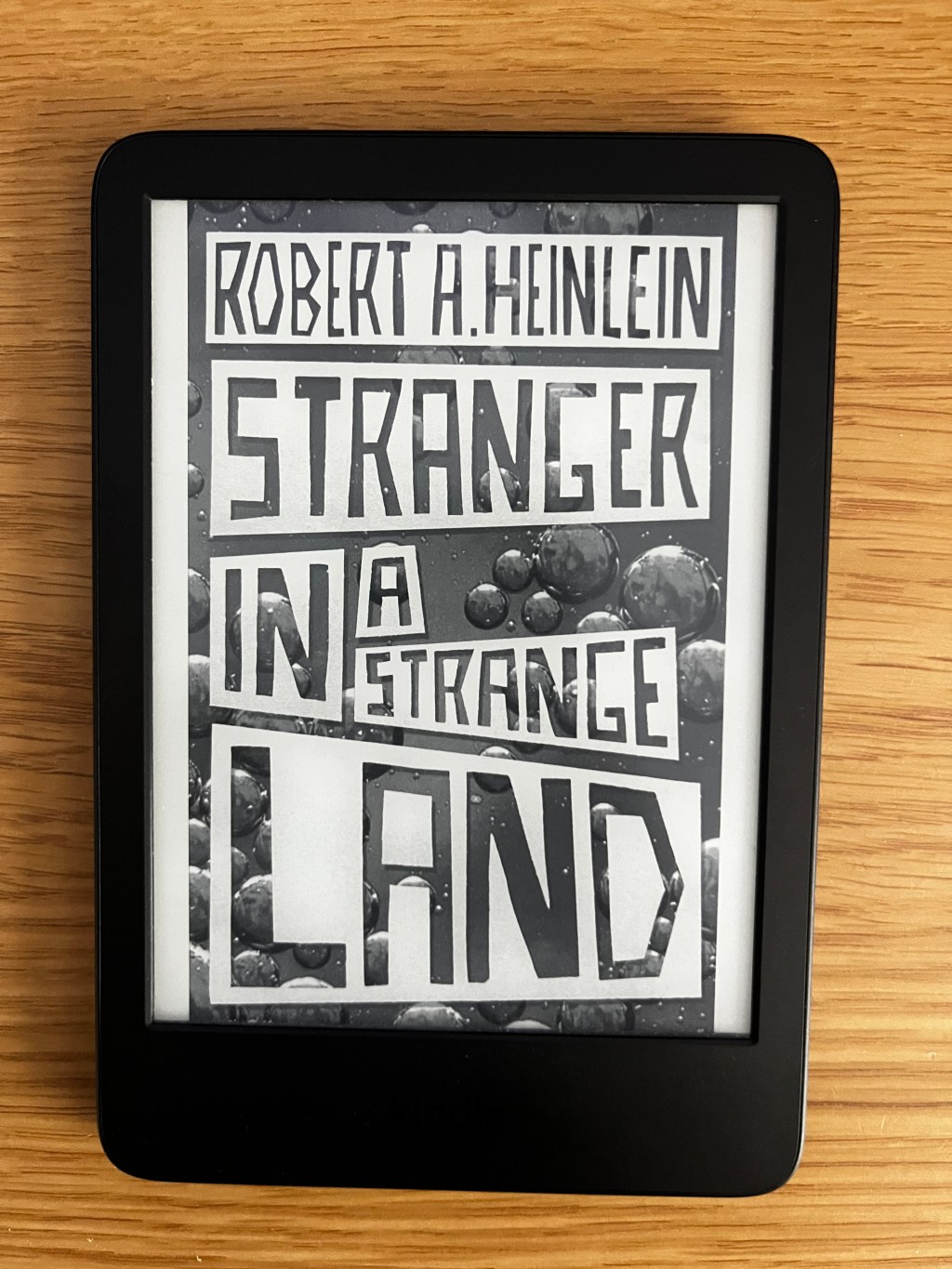
    After reading (and enjoying) Starship Troopers and The Moon is a Harsh Mistress,I wanted to continue reading Robert Heinlein’s notable works. This time, I went for Stranger in a Strange Land. It’s an essential part of the Sci-fi genre, and it was good to explore it. It was also satisfying to see the word ‘grok’ in its original context (even if the new AI model has tainted the word).

    I found the first of the book to be absolutely captivating. It felt like Heinlein at his best, and had everything I loved about his other books. The politics and political manoeuvring was sharp and dynamic, the characters are varied and interesting. Jubal Harshaw felt very similar in style to the Professor in The Moon is a Harsh Mistress. I particularly enjoyed how the characters navigated the return of Valentine Michael Smith (the Man from Mars, and titular stranger). It provides a good focal point to explore those questions about society, religion, and human nature.

    The second half loses a little momentum. I read the original, unabridged version, which was released posthumously. I wonder if the second half was where more content was cut down for the initial publication. The point Heinlein makes about religion, the church and commune become clear fairly early, and so it doesn’t really develop. Perhaps it’s because what was provocative in the 1960s (free love, polyamory, critiques of organised religion) isn’t quite so today. These concepts are more widely discussed, if not universally accepted!

    The book doesn’t really grapple with the darker realities of cults, particularly those centred around sex and charismatic leaders. There’s no real exploration of exploitation, consent, or how vulnerable people can be preyed upon, themes that feel glaringly absent from a modern perspective.

    Still, there’s something about reading a book that was controversial sixty years ago and finding it tame today. Whether that speaks to Heinlein’s foresight or to the book’s cultural impact (or both), it’s worth the read simply to understand that evolution.

  • Book Review: Godkiller

    Book Review: Godkiller

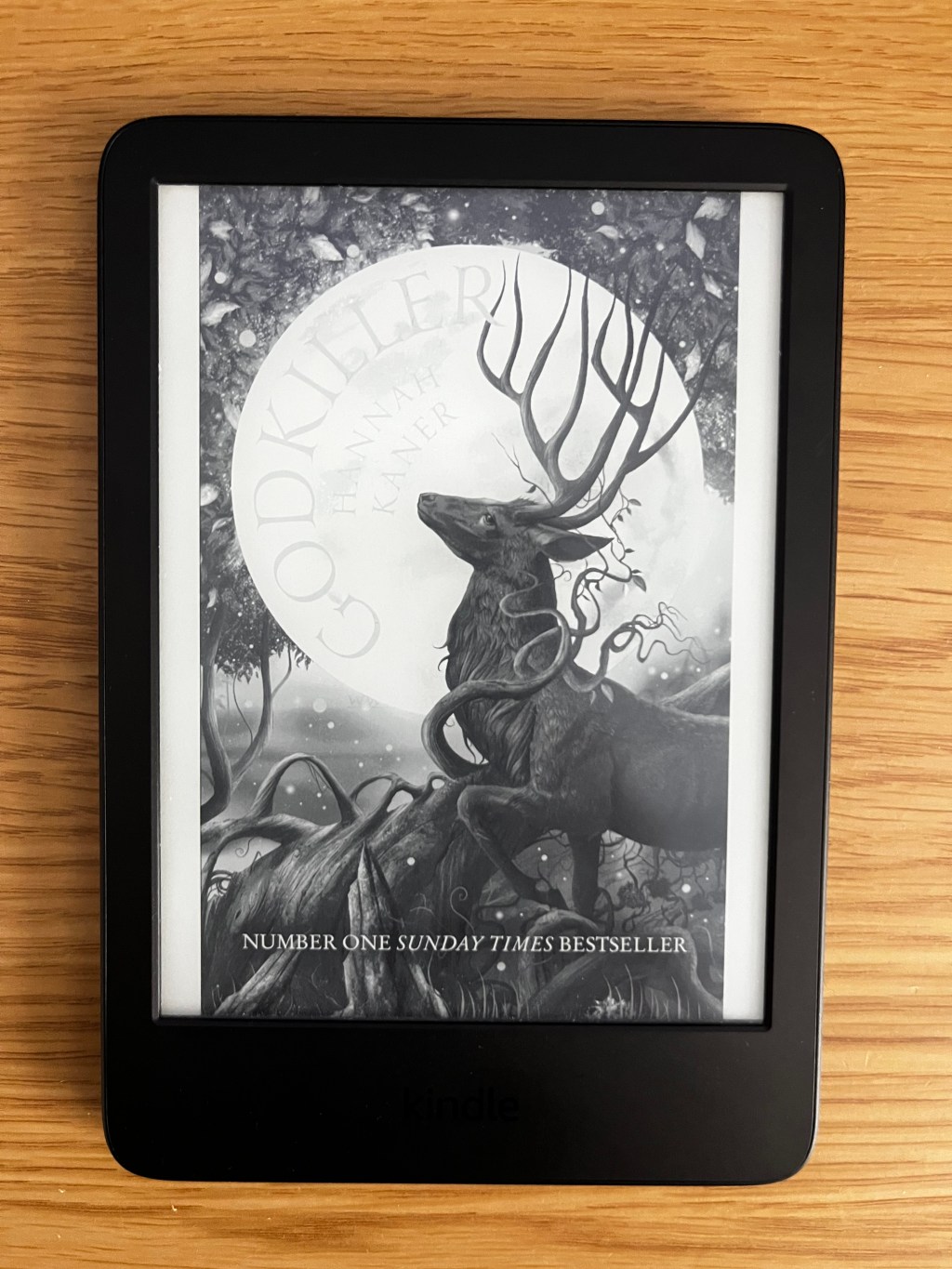
    Kissen’s family were killed by zealots of a fire god. Now, she makes a living killing gods, and enjoys it. That is until she finds a god she cannot kill: Skedi, a god of white lies, has somehow bound himself to a young noble, and they are both on the run from unknown assassins.

    What immediately drew me in to Hannah Kaner’s Godkiller was the way she conceptualises the gods. In this world, gods are born from human belief and need. The more people worship them, the stronger they become. It’s both simple and complex in how it works, with a symbiotic system that creates genuine stakes for both mortals and deities. It was interesting to explore how this dynamic shaped everything from village politics to divine hierarchies.

    The relationship between Kissen (the godkiller herself) and young Inara, the young noble tied to Skedi, anchors the story well. Their unlikely partnership (the woman who destroys gods paired with a girl who might be tied to one) creates natural tension. Watching their bond develop as they navigate this dangerous world together was another highlight of the book.

    The prose is the kind of prose that gets the job done, and the dialogue serves its purpose. In a sense it’s good that the writing doesn’t get in the way of the story (that can be an issue with some books where writers can be a little self-indulgent with their flare!). But I could have done with maybe a little more imagery and metaphor to bring the scenes to life.

    That being said, the story is well structured. The pacing doesn’t drag and the plot progression feels logical and well thought out. Each revelation builds naturally on what came before, and I never felt lost or confused about the world’s rules or the characters’ motivations.

    And the worldbuilding really is Godkiller’s strongest suit. Beyond just the god creation concept, Godkiller has a setting that feels authentic. The political tensions, the way different regions handle their divine relationships, the consequences of godkilling, it all hangs together convincingly. This was enough to make it an enjoyable read.

  • Book Review: A Wizard of Earthsea

    Book Review: A Wizard of Earthsea

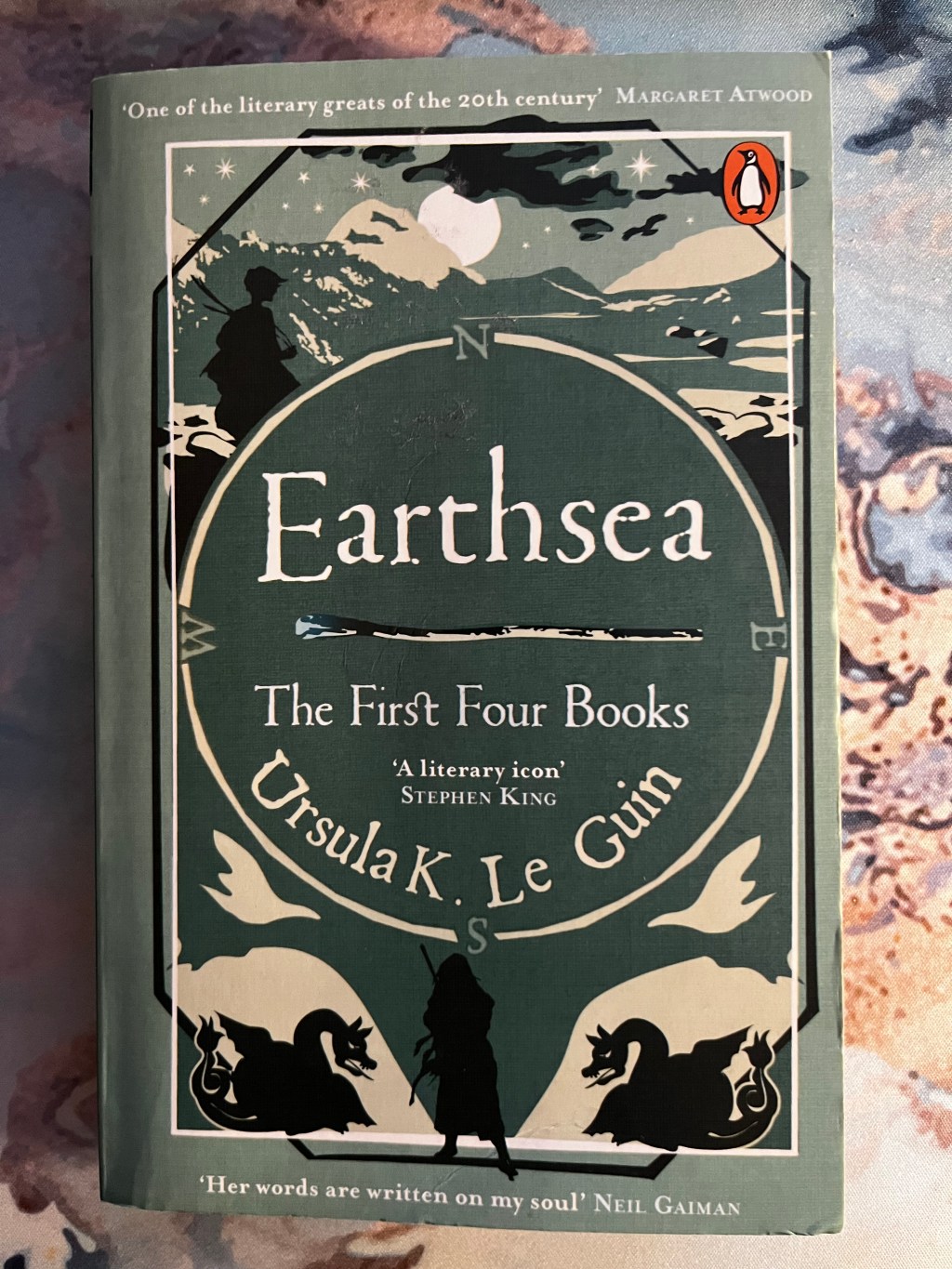
    Ursula Le Guin’s A Wizard of Earthsea is a cornerstone of fantasy literature… is it bad that it took me a while to fully connect with it?

    What did I love about it? Well, it was the world building that hooked me. Earthsea is an expansive and rich archipelago world, filled with distinct cultures, peoples, and creatures. We follow Ged, a gifted young wizard, on an adventure across Earthsea’s different islands, and get to know the people he encounters. The voyages by boat feel treacherous in the way that seafaring adventures should, and the maritime setting lends to the atmosphere. The magic system, too, is mystical and complex. Built around the true names and fundamental nature of things, it has a beautiful sense of knowledge and responsibility.

    Ged is a well-crafted protagonist. He’s cocky, talented, and absolutely believable as a teenager who thinks he knows everything. His catastrophic mistake early in the story (summoning a shadow creature while showing off) feels earned by his character, and watching him grapple with the consequences as he matures gives the book proper emotional weight. I wanted him to get some comeuppance early on, and it was gratifying when he did!

    But I struggled with Le Guin’s writing style, especially in the opening sections. It reads more like a historical chronicle rather than an intimate character study. We’re told about Ged’s actions and development, but we don’t really feel his journey, at least not at first. This made it difficult for me to root for him initially. The writing does become more engaging as the story progresses, particularly when Ged interacts with his friend Vetch and we get more genuine character moments.

    You can see A Wizard of Earthsea in the DNA of modern fantasy: the archipelago setting finds itself in Katherine Rundell’s Impossible Creatures, the power of names in Patrick Rothfuss’s Name of the Wind, and the issues with shapeshifting in Terry Pratchett’s Equal Rites. It is undeniably important, but it requires a specific mood and patience with its more… distant narrative style. I’m glad I read it for the perspective it gives on the genre, though I’m probably not going to rush back to Earthsea soon.

  • Book Review: Project Hail Mary

    Book Review: Project Hail Mary

    I’m a big fan of The Martian. I enjoyed Artemis. But I was blown away by Project Hail Mary. I went in knowing nothing about it—I didn’t even read the blurb. And I think that was the right thing to do. The plot was unveiled like a true mystery adventure. If anyone wants the same experience as me, stop reading here, and just take my word for it that it’s worth your time!

    Andy Weir’s latest sci-fi novel opens with our protagonist waking up with complete amnesia aboard a spaceship. Safe to say, amnesia has been done (All My Circuits, anyone?). But the way Weir uses the memory loss to gradually reveal both the present crisis and the backstory is excellent. The pacing was just right, and all the pieces of the puzzle, from why humanity is facing extinction, how our narrator ended up alone in space, what his actual mission is, all slowly click into place alongside his returning memories.

    What absolutely sold me on this book, though, is Rocky. Creating a compelling alien character is incredibly difficult (how many different alien species have sci-fi writers conjured up?). But Weir manages to bring this spider-like creature to life in a way that feels both genuinely alien and deeply relatable. Rocky isn’t just a cool biological concept (though he is that too). He’s impatient, intelligent, funny, and flawed. The sections exploring how they learn to communicate reminded me strongly of Arrival, in a good way. And I loved watching their friendship develop as they worked together against a threat to both their species.

    As you might expect, Weir’s protagonist is… very similar to his other protagonists. If I have one criticism, it seems he can only write one main character: the brilliant-but-anxious, funny, slightly neurotic scientist. Luckily for Weir, I like this character! As with The Martian, this kind of character is executed well. His voice is engaging and the he scientific problem-solving is immensely satisfying. (I love that Weir makes me feel like I’m secretly learning while being entertained!)

    And in a world of sci-fi where in so many stories first contact means invasion and destruction, Project Hail Mary offers something refreshingly different: the idea that when faced with extinction, different species might choose cooperation over conflict. The plot escalates organically and believably, the challenges build, the emotional complexity is just at the right level… It’s one of those where you know they’re going to get through it, you just don’t know how, or at what cost.

  • Review: 1984 by George Orwell (Audible Dramatisation)

    Review: 1984 by George Orwell (Audible Dramatisation)

    I’d seen this advertised and, finding that listening to this wouldn’t cost an Audible credit, I thought I’d give it a go.

    1984, of course, is a classic—for me, it stands next to Brave New World and The Handmaid’s Tale as one of the three greatest dystopian novels—so any adaptation has to be good. And, overall, I think they did a good job.

    As a listening experience, it was enjoyable. Andrew Scott is chillingly perfect as O’Brien, bringing that mix of intellectual authority and sinister menace that makes the character so unsettling. Andrew Garfield does solid work as Winston too, though I did find myself questioning whether he played Winston as a bit too much of a wet lettuce (so to speak). He felt a bit more subservient than how I remember him when I first read the book.

    And I knew it was Matt Belamy who did the sound design just from listening. You can hear all that paranoia that’s been baked into Muse’s music over the years (and, of course there’s the little cameo moment for The Resistance). It was like Belamy had been auditioning for this role for years; and, given how obviously inspired Muse have been by dystopian literature, it was a good fit. If I had any criticism, it’s that Belamy probably played it a bit safe. I would have loved him to lean even harder into the dystopian atmosphere he’s so good at creating.

    The adaptation does okay at condensing Orwell’s dense novel while keeping all the essential elements intact. The core concepts (newspeak, doublethink, Big Brother’s surveillance) all come through clearly without feeling rushed or oversimplified.

    Was it perfect? No, I can’t say it was. Winston’s character development and his fluctuating relationship with Julia doesn’t quite work in this compressed version. The significant changes in how they feel about each other and the resistance don’t feel natural. And, I certainly could have done without Garfield’s heavy breathing right in my ears during the sex scene. Some things work better on the page than whispered directly into your headphones…

    I’d take the original over the adaptation any day of the week. But overall it was a solid effort and an enjoyable listening experience.

  • Book Review: The Lies of Locke Lamora

    Book Review: The Lies of Locke Lamora

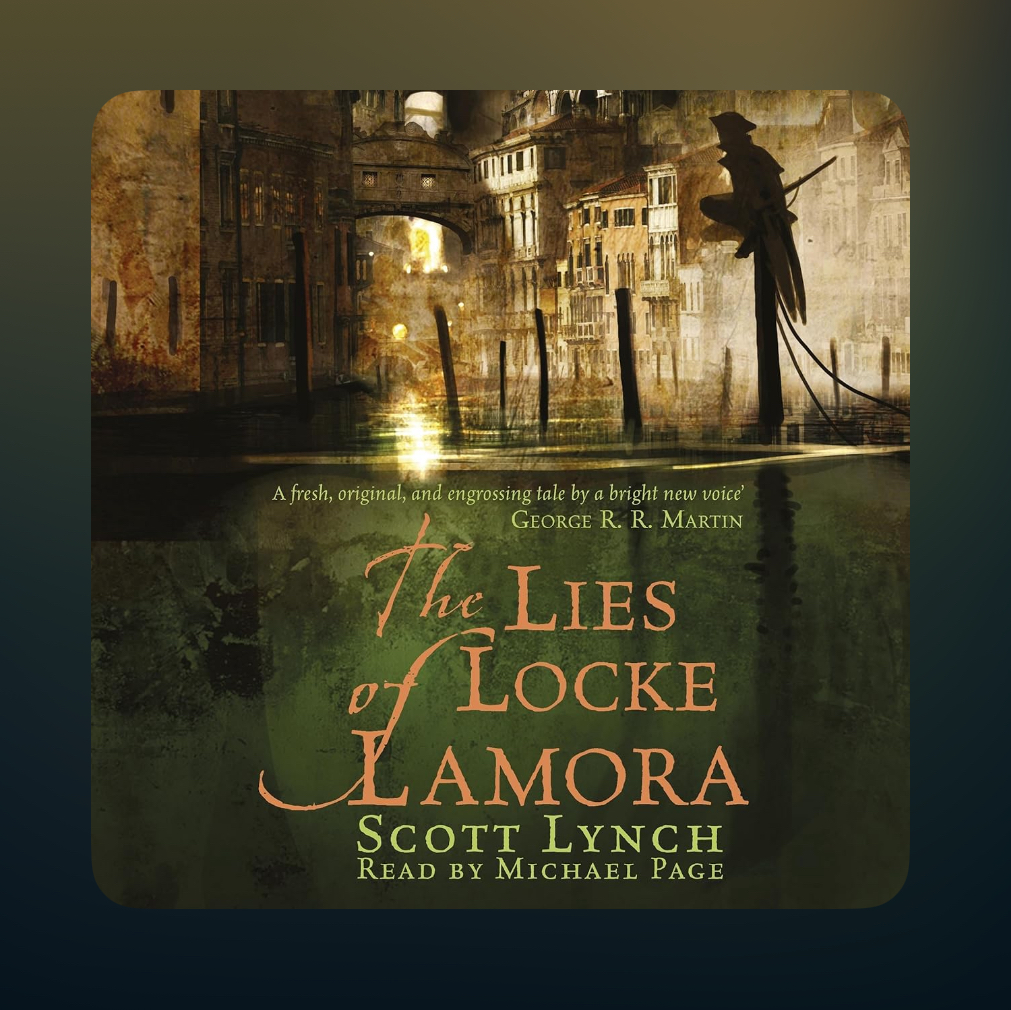
    Scott Lynch’s debut fantasy novel, The Lies of Locke Lamora, features an elaborate heist set in a beautifully realised seventeeth-century-inspired world.

    Honestly, it hit me in the same way that The Name of the Wind did. We have a physically unimpressive protagonist who makes up for a lack of brawn with guile and pure cunning. Locke Lamora is endearing in the same way the Kvothe is. He executes elaborate cons and talks his way out of deadly situations. He fits the rogue archetype to a tee. And Jean is an excellent companion (and Jean brings the physicality that Locke lacks). He’s not a simpleton or a yes-man in the way that some ‘brawler’ characters can be. He feels well defined in his own right. Above all, their friendship feels genuine and lived in. It’s easy to care about them.

    As fantasy heists go, the plot is near perfect. It’s well structured and escalates in just the right way. Just as you think you have a handle on what’s going on, something else happens and it all spirals into some bigger and more dangerous; the stakes are raised organically and plausibly at each turn. And they’re raised in ways I couldn’t see coming. There’s also backstory interwoven throughout (the kind of backstory that again reminded me of The Name of the Wind, albeit delivered in a different way). Information important to the present moment is delivered via these backstories, keeping them timely and relevant.

    The worldbuilding is immersive without being overwhelming. None of the protagonists are magic, but they encounter others who are—and so Lynch has to create problems that are challenging for the protagonists, whilst giving them scope to overcome them. I think he strikes the right balance between power and limitation, and the rules are clear enough for some satisfying loopholes to be exploited without feeling contrived.

    It’s not without its flaws. There’s hints at a romantic subplot that never quite develops. And [MODERATE SPOILERS] Locke’s heroic turn at the climax didn’t feel completely earned. I understand the choices made, but I didn’t fully buy it. There were also some stretches where plot threads were left unattended, as other parts of the plot moved forward. 

    But these complaints are relatively minor. I was entertained enough by the characters, the dialogue, and the rich world. It has enough clever problem solving and good character work to scratch the same itch as The Name of the Wind.

  • Book Review: The Restaurant at the End of the Universe

    Book Review: The Restaurant at the End of the Universe

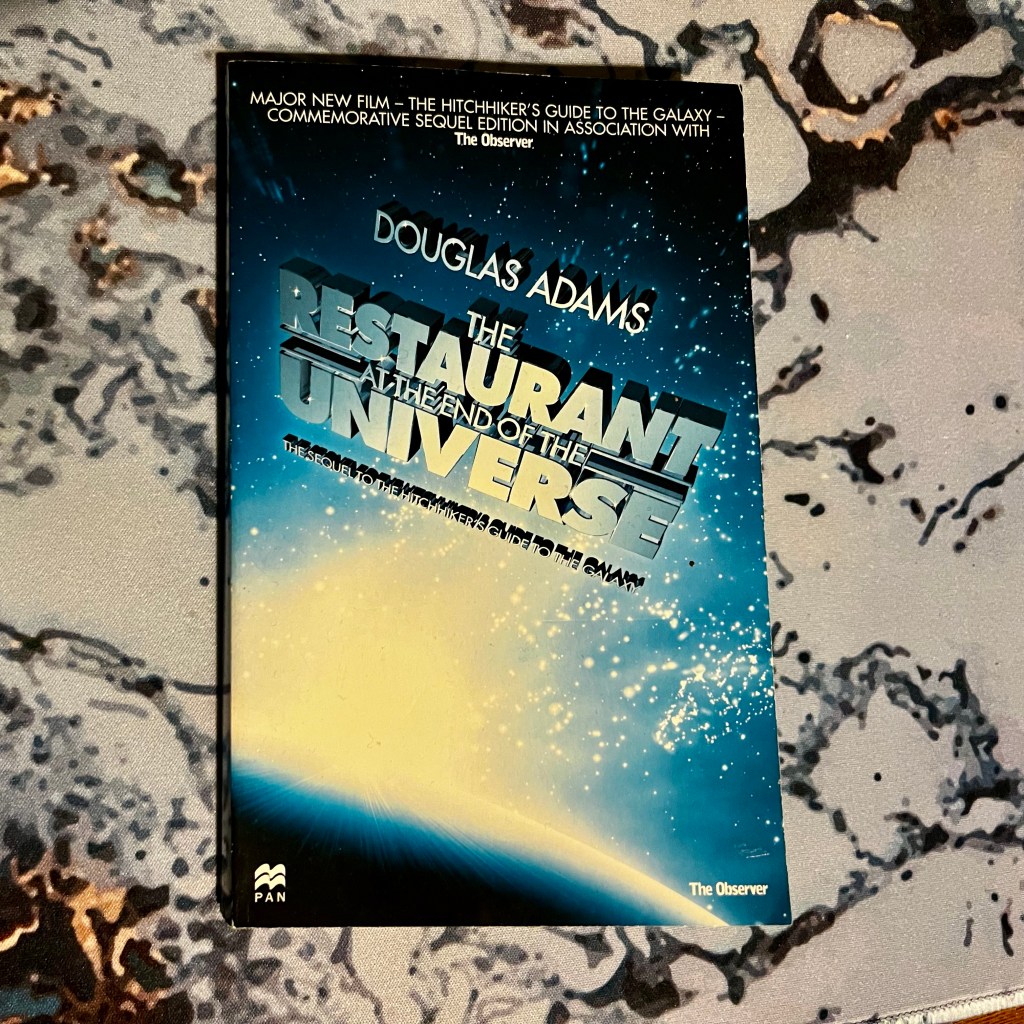
    The Restaurant at the End of the Universe by Douglas Adams is full of the same zany, unpredictable storytelling that made The Hitchhiker’s Guide to the Galaxy such a hit. 

    What I love most about this book is how the book jumps from one impossible situation to another. I had no idea where the story was going to go, and neither did the characters. This is made possible by the technology within Adams’ universe, whether it be teleportation, time travel, or reality manipulation. I think the thing that makes it work as a narrative device is that the stupid, unpredictable situation the characters find themselves in always makes things harder, or worse; they might be rescued from one situation, but find themselves jumping out of the frying pan into the fire. This makes it really effective storytelling.

    I think the character work wasn’t as strong as the preceding novel. Marvin remains one of the best characters in modern literature, and I really enjoyed having large chunks of the story told from Zaphod’s perspective. His journey to meet the ruler of the universe revealed some great backstory. But Arthur, Ford, and Trillian’s storylines were undeveloped and not quite as interesting by comparison.

    The ending was a little flat for me, as well. Zaphod finally meets the ruler of the universe and, [SPOILERS], it turns out he doesn’t have any idea that he’s making decisions that impact the entire universe (a universe the ruler isn’t sure exists). I get the joke Adams is making, but the execution, especially how quickly Zarniworp becomes frustrated, didn’t hit for me. Similarly, Arthur and Ford wandering around prehistoric Earth was a bit of a drag. That said, the revelation of the Ultimate Question was exactly the kind of comic deflation that worked really well.

    I’ve been reading a lot of Terry Pratchett and Douglas Adams recently. I’m still at the starting point of my journey through their respective universes, but I’m finding myself preferring Adams’ humour and writing style at the moment (though don’t get my wrong, both are fantastic). Where Pratchett sometimes breaks the fourth wall with references to our world, Adams creates alien societies that mirror our own absurdities without winking directly at the reader. This makes the satire feel more integrated and immersive.

    So, onwards I journey! Next stop: Life, the Universe and Everything.

  • Book Review: Mort

    Book Review: Mort

    I’m about five or six books into Discworld as a series now, and so I’ve seen Death appear as a minor character a few times. But I was very intrigued to read Mort, which sees the whole story revolve around Death and the titular character, his new apprentice.

    Death wants a holiday, wants to explore his other interests, find out what it means to be alive… and who better to take over his work than a gangly farm boy that no one else wanted as their apprentice?

    Death and Mort act as counterpoints to each other. In his time away from his ‘work’, Death struggles with humanity (trying to get drunk, not really getting why people fear him—except cats, that is). 

    Mort, on the other hand, grapples with the weight of having to sever peoples’ souls from their earthly bodies, and the apparent lack of justice when they die (because, in the end, people go where they believe they’re going to go). 

    They both go through steady arcs, with Death finding peace as a chef, and Mort becoming less bumbling and more able to take on the powers of the job, even as he questions his duty.

    One of the things I loved most was the conceptualisation of time. The instigating moment for the plot was Mort’s refusal to take Princess Keli’s soul, which created an inflection point in time. She should have died, and history carries on as if she did, and eventually it all tries to self-correct. It’s clever writing and creates a set-up where the reader isn’t sure how it’s going to be resolved.

    I found the supporting cast to be hit or miss, though. I liked Ysabel and her relationship with Mort, and how it goes from antagonistic to friendship over time. Albert is an excellent character, especially when his mysterious past is unveiled. But I wasn’t so sure about Cutwell—I’m not sure if he was supposed to be annoying and off-putting, but I wasn’t really keen on him!

    This is a really interesting and unusual fantasy book showing how Pratchett continued to have a unique take on the genre. Like I said, I’m five or six books in, and none of them have really felt the same.

  • Book Review: The Light Fantastic

    Book Review: The Light Fantastic

    The Light Fantastic is a strange, unpredictable book that is subject to its own whims and internal logic.

    So, essentially, exactly what you’d expect from a Terry Pratchett novel.

    It follows on from The Colour of Magic, though with more confidence in the narrative and voice. It overcomes some of the structural hiccups of the previous book, and its full of the beautiful, absurdist humour that we all love about Pratchett. We follow Rincewind and Twoflower as they continue their journey through Discworld on a mission to save it from certain doom.

    There are some really memorable scenes in this book. The computer created by the druids is wonderfully funny (and another great example of Pratchettian satire), as is Rincewind’s voyage into Death’s home to rescue the unperturbed Twoflower. The latter parts of the book, with mobs of increasingly erratic inhabitants of the soon-to-be-destroyed world, are both gripping and hilarious.

    The characters themselves are the heart of the novel. Rincewind and Twoflower are, of course, central, and their opposites-attract-style relationship is timeless. But others, notably Cohen the Barbarian, steal the show. Of Pratchett’s gentle parody at the expense of fantasy tropes, this is one of my favourites.

    At the same time, the plot builds in that uniquely Pratchett way, with a blend of absurdity and genuine stakes. And the ending is surprisingly touching and unexpected, and feels like a natural conclusion to this part of Rincewind’s adventure.

    If you’re looking for a natural entry point to Pratchett’s world, you could do worse than reading The Light Fantastic.