Category: Book Reviews

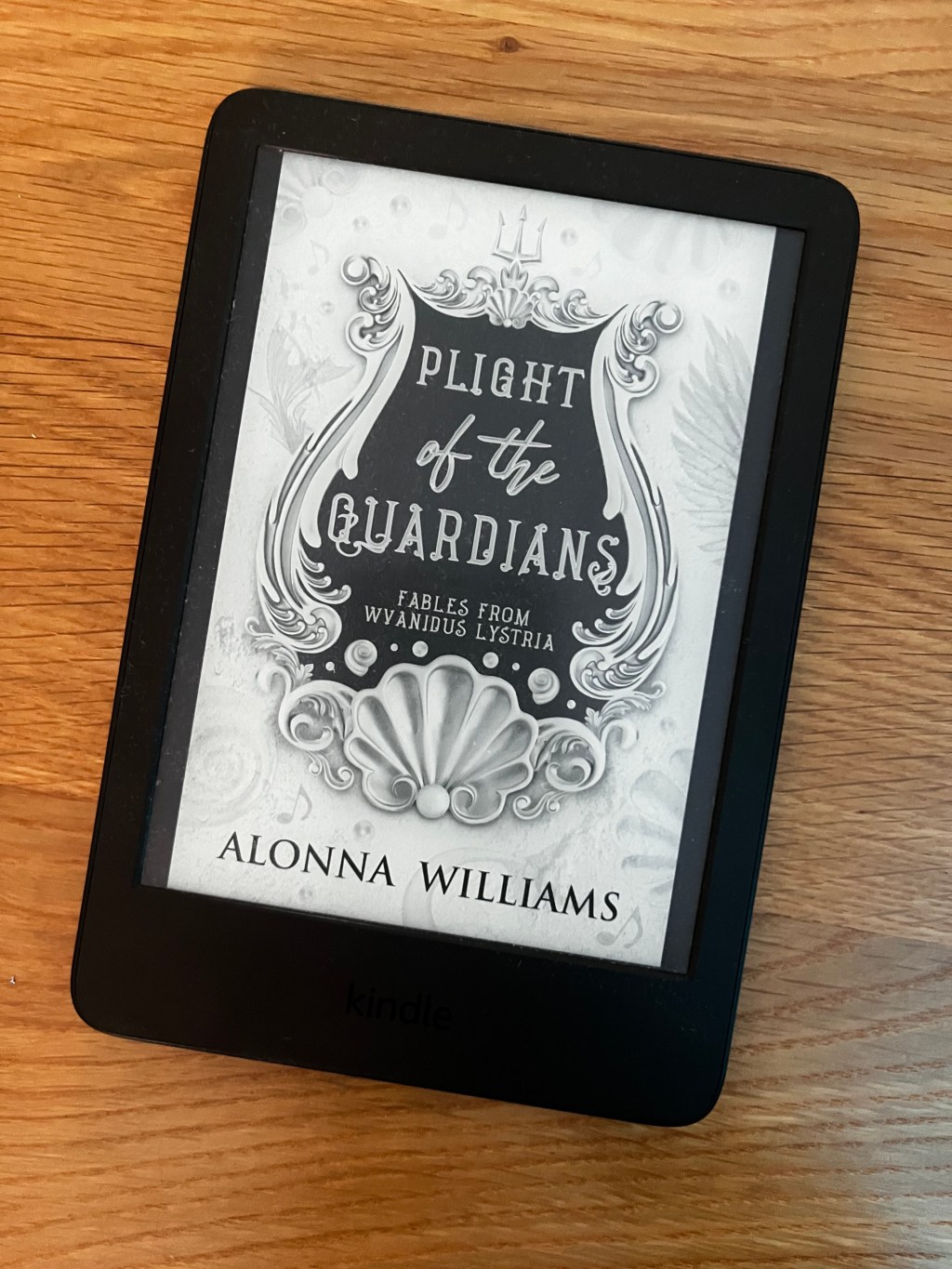
  • Book Review: The Plight of the Guardians

    Book Review: The Plight of the Guardians

    This book is the latest in Alonna William’s instalments of the Fables from Wyanidus Lystria series. It takes us on a journey of a changing of the guard, so to speak, of the Guardians, the powerful beings entrusted by the island to look after the weather, over the people, and generally maintain good order. Our heroes are Azari’ah and Ariad’na, who we follow as they turn from rivals into lovers, rise to become guardians, and help solve the island’s problems.

    The relationship between Azari’ah and Ariad’na is the beating heart of this book, and their relationship as it shifts and changes over time drives the plot forward. When they meet, Azari’ah, serious and studious, resents Ariad’na’s careful and playful attitude; Ariad’na, for her part finds Azari’ah’s joylessness off-putting. But when they are forced into proximity by the current guardians, who are training them up, they start to become close. Very close. This yields its own problems, as guardians are forbidden from forming attachments with specific people, lest it bias their judgement. The interplay between the two is great, and I love the dialogue and characterisation.

    In exploring its plot and relationships, the author delves into some hard-hitting themes. She explores issues of poverty and childhood trauma, and the impact this has on later relationships and values. She also digs into themes of toxic masculinity in a way that I think is really well done. Throughout the book, Azari’ah is told by his mentor to be strong and suppress his emotions, to let go of his attachments to people, to be ruled by strict logic. But we see the damage that this has on his psyche, and the struggles it pushes him through.

    The broader world is luscious and expansive. The author clearly has so much care for this land she has created, and that really shines through. All the different creatures, the magic of the island, the interplay of how they all connect—it’s enchanting! It’s a world where, after I put down the book, I can’t wait to get stuck back in.
  • Book Review: The Siren’s Call

    Book Review: The Siren’s Call

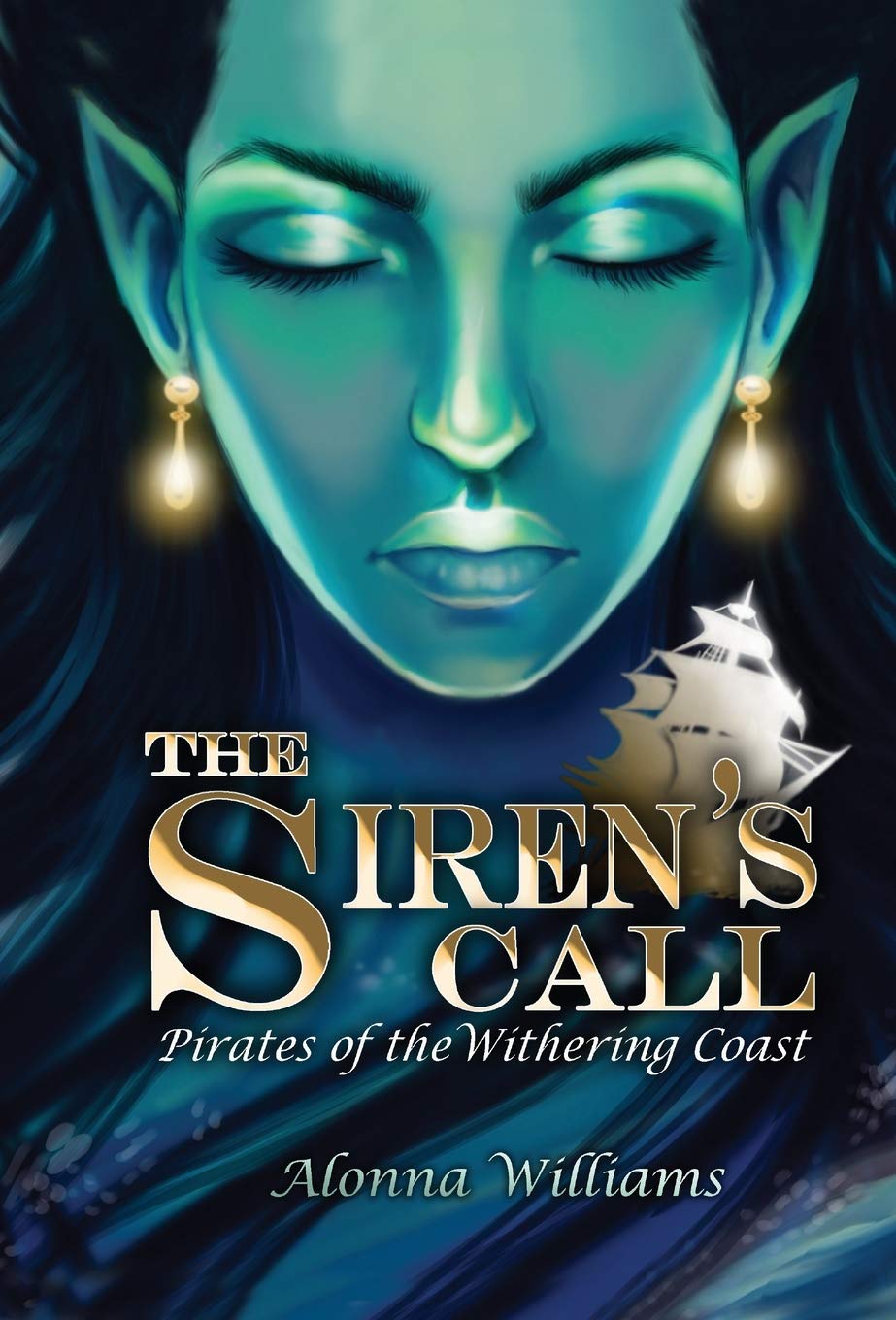
    Have you ever woken up one morning to find your hair has turned long and luscious, and your ears pointed? If so, you just might be a siren! This is the fate that befalls Trevor when he starts to go through the equivalent of siren puberty in The Siren’s Call, which leads him on a perilous journey of self discovery and adventure.

    There is much to love about this charming novel. It is rich in carefully crafted maritime mythology, drawing on a range of Atlantic and Mediterranean influences. The world the sirens and other mercreatures inhabit is beautiful and expansive, and we get the pleasure of exploring it more as the story unfolds. The pacing is pleasant, and there are some likeable and engaging characters—Nicholas in particular I found to be interesting. Bloo is another, who has a distinctive and charming pattern of speech.

    That said, the reader might be overwhelmed by just how many characters there are. There are a couple of large families, human and siren, plus a couple of friendship groups we meet along the way. The geography is also a little confusing at the start. The initial setting is late eighteenth century Manchester, UK, though there are frequent movements between the city and the sea.

    Nevertheless, this is a compelling and creative work full of mystery and excitement that it is easy to get drawn into. I love the world, and I am eager to explore the author’s other novels to find out more about it!

  • Book Review: Mad Kestrel

    Book Review: Mad Kestrel

    I am a real sucker for a pirate novel. Throw some magic in there, and you’ve got me. One of my favourite books of all time is On Stranger Tides; one of my favourite movies is Pirates of the Caribbean. I’m not sure if this means my bar is set very high (I’ve read a lot of books about pirates) or very low (I’ll enjoy almost any book that has pirates in).

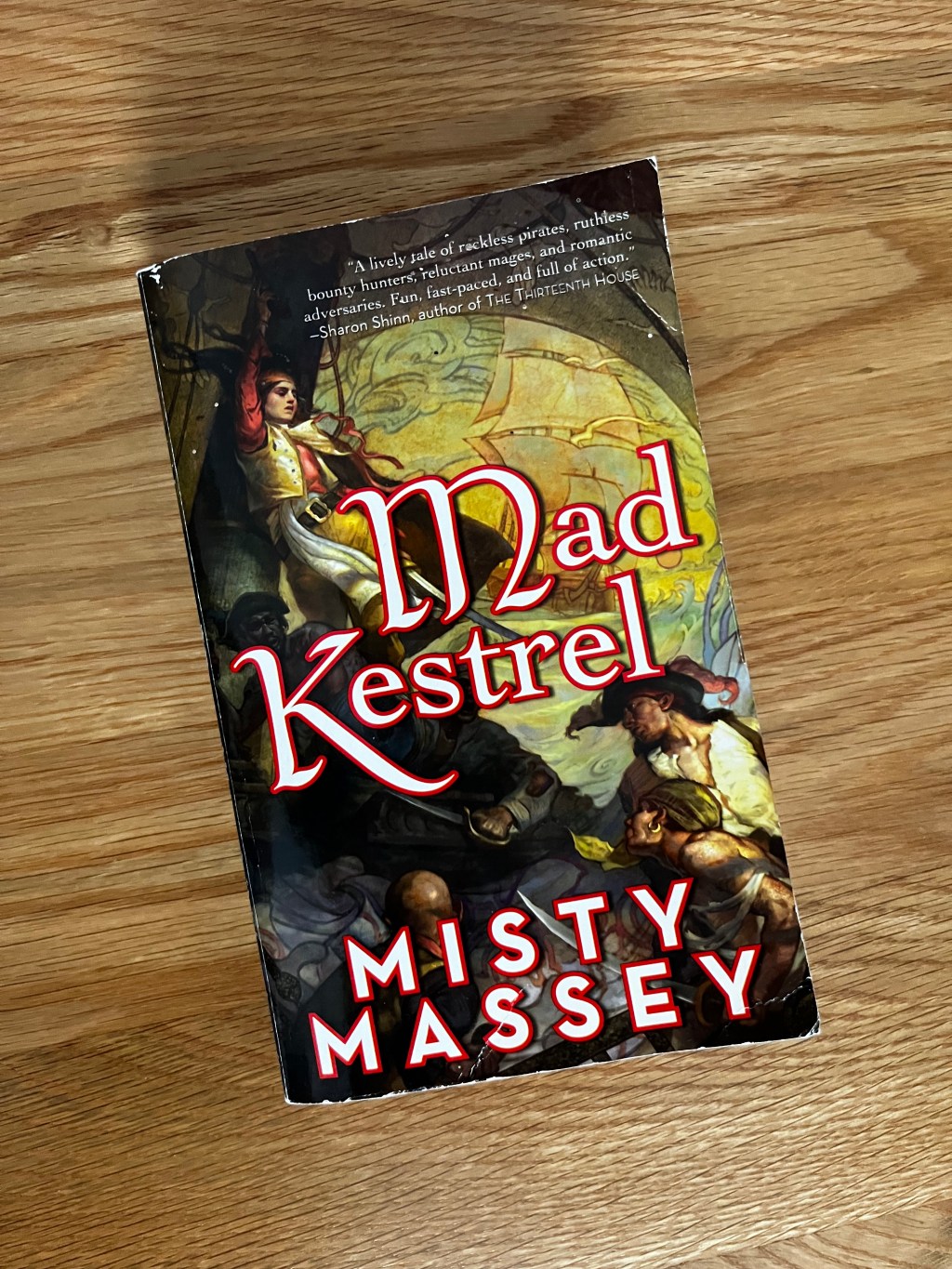
    Mad Kestrel, by Misty Massey, I thought was a very enjoyable read. Again, I’m late to the party—the book was released in 2008. But I’ve only just found it in my local charity shop. Sue me. It’s a thrilling adventure with a compelling female lead. There are some wonderful action sequences and pulse-raising swordplay. And, of course, some sailing through rough waters (literally and figuratively), and intriguingly handsome—but also infuriatingly charming—men.

    We follow Kestrel, a quartermaster aboard the Wolfsbane, as she attempts to rescue her captured mentor, Artemus Binns. Along the way she meets Phillip McAvery, a smooth-talking rogue who we don’t know whether or not to trust, and we are accompanied by a loyal, hard-working crew… or are we? Throughout, we are trailed by bounty hunters and a mysterious magical order, whose ceaseless pursuit keeps Kestrel constantly on her toes.

    The magic system is probably the weakest part of the book. It’s used to drive the threat more than anything—the protagonist, a special kind of magic wielder, is afraid to use her magic lest she is found by magic hunters. So, we don’t really get to see how it works until the end. And, in the end, it seems almost anything is possible with magic. Because we haven’t really been exposed to it much throughout the book, it means the payoff isn’t all that great. Oh well: Less magic means more room for swords and swashbuckling! And the sword fights and action sequences are superb.

    One thing though: I was disappointed with the author’s choice for the ending…

    SPOILER ALERT!

    The protagonist, Kestrel, is presented with a choice to take her mentor’s place as privateer for the king, or to go about her merry way as a pirate. We’ve had a whole book building up this character as a strong, independent woman who is fighting to prove her place as a leader of men; but in the end, she chooses to be under the thumb of the king. We’re told she negotiated better terms, and women are now allowed to sail on ships in the kingdom (yay!), but it feels a little flat after all that’s happened. I’d have liked for her to stick it to her (male) mentor and the king, and go off pirating into the sunset. But I can understand why the author went the other way… it certainly feels neater, and ties everything up.

    Despite some flaws, this is an enjoyable read, with thrilling adventure and strong characters. I’ll add it to the list of books I’ll recommend to anyone who dares ask me pirate stories!

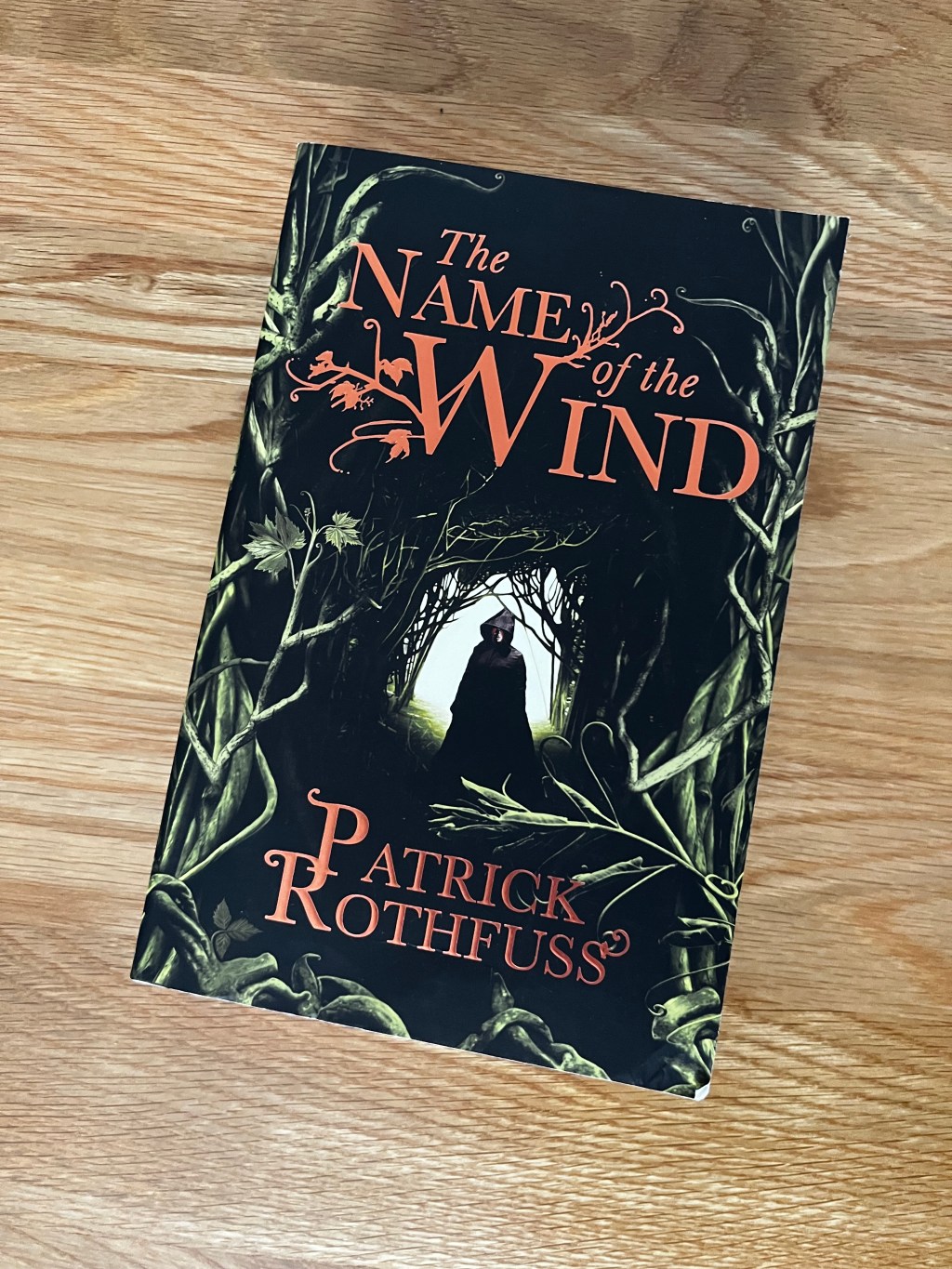
  • Book Review: The Name of the Wind

    Book Review: The Name of the Wind

    I’m a bit late to the party with this one, I know. The book had been sat on my shelf for two years before I read it. It has been published even longer. (I’ve had a lot on, okay… don’t judge me!) I have now read it, and I understand why it has become an instant classic of the genre. And yes, I can now join the legions of fans anxiously clamouring for the third instalment. Hopefully by the time I’m done reading the sequel…

    The Name of the Wind is an epic fantasy ambitious in scope. It truly lives up to the ‘epic’ part of the genre. Told in both third person (in the present) and first person (as the protagonist recounts his life story), it follows Kvothe as he grows up and attends university. It is a detailed, thorough, character-driven story that rarely relents in excitement. The character development is superb. I love a character with a background in the performing arts—it’s a great way of explaining their charisma, and giving them a way of plausibly talking their way out of trouble (or talking their way into trouble). It also makes them a little more dynamic than the warrior-hero archetype. Rothfuss strikes a great balance between the genius of Kvothe’s character (he learns fast, has great instincts for almost all his studies) and his flaws—he still has obstacles he finds difficult to overcome. He is intelligent, but occasionally foolish, and brash, sometimes over confident. He is limited by his background as part of a travelling troupe as much as he his aided by it.

    There is an overarching story that the book sets up but delves little into. Despite this, I didn’t feel in too much of a rush for that side of things to develop. The drama of Kvothe’s life as he moves from travelling performer to street urchin to university student keeps the reader hooked. There is also an expansive world with different magic systems, from runes and artificery to more abstract controlling-the-elements-by-speaking-their-names. The wider world is nicely constructed, with different peoples and customs that intersect at different places. It gives the setting depth, and let’s the reader know that there is more to explore.

    The story slows down a little towards the last third, around the time that Kvothe finds out that he’s a heterosexual male and that women exist. Periods of courtship and pining after an elusive and mysterious woman become a little drawn out at times, but I can see why they’re there, and it doesn’t stall things for too long. In the end, the relationship the protagonist has with his love interest does drive the story forward.

    So, safe to say, I am hooked! This is an epic story with excellent character development and an expansive world. I look forward to reading The Wise Man’s Fear

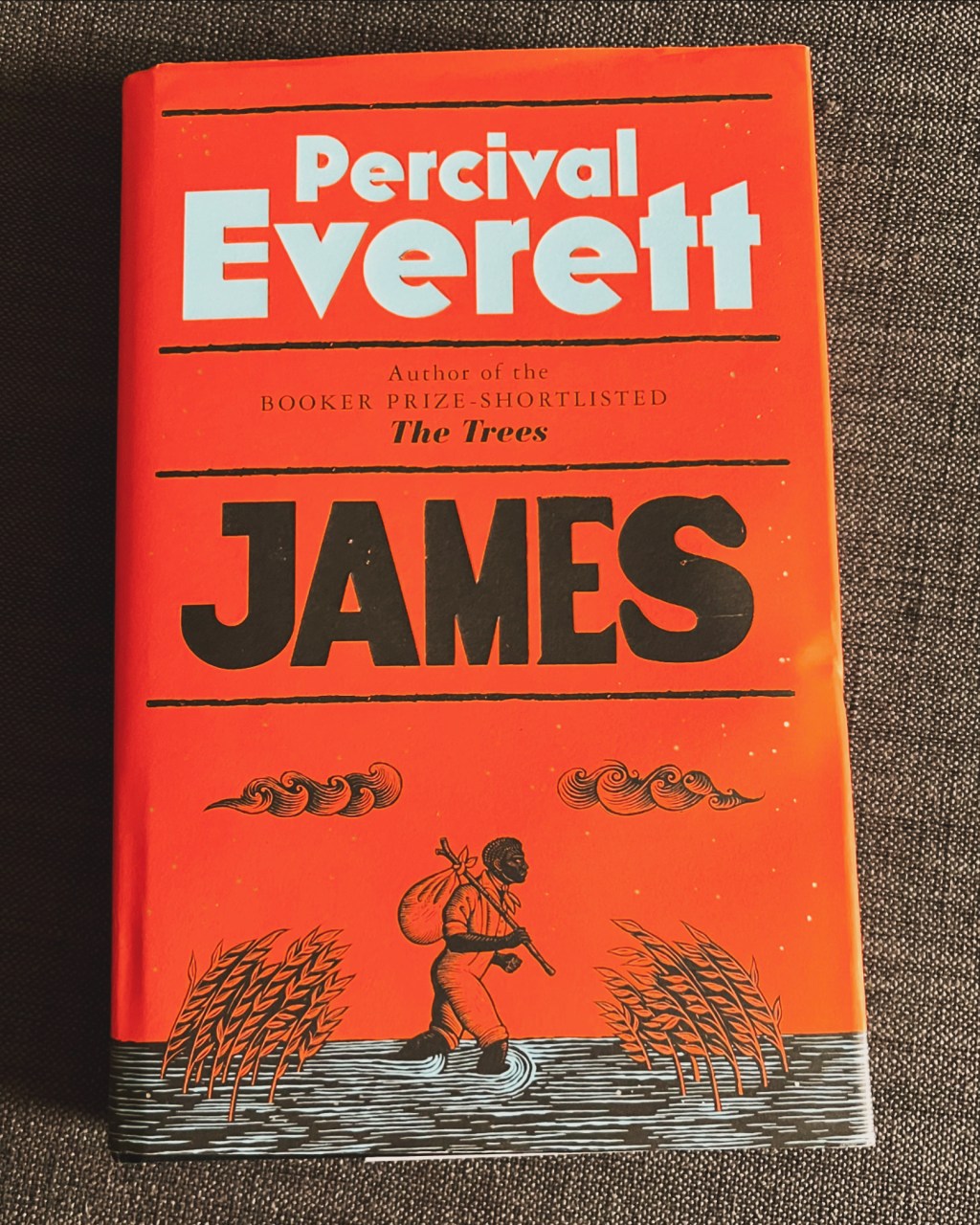
  • Book Review: James

    Book Review: James

    I first heard of Percival Everett when previews started coming out of American Fiction, the film based on Everett’s Erasure. About that time, I also started noticing adverts for James, his new reimagining of The Adventures of Huckleberry Finn from the perspective of Jim, the enslaved man with whom Finn runs away. Apparently Everett is America’s best kept secret, and his work is only just making its way across the pond. So what was I supposed to do? Not buy it?

    Full disclosure: I have never read Huckleberry Finn. This is probably a cultural thing; Mark Twain was never a part of the British education system, at least not when I was in school. We had endless supplies of Shakespeare, poetry anthologies, and the like, but, alas, no Twain. So much to say, I can’t comment much on the intersection between James and Huckleberry Finn.

    What I can say is that I thoroughly enjoyed reading this novel. ‘Enjoy’ feels like a strange word to use for a book that focuses on such a dark side of human history, but Everett is clearly a master of his art. The focus on the use of language is excellent. Everett positions well the dichotomy between how enslaved people spoke with each other and how they spoke with the white men and women who purported to own them. In speaking with white people, they protected themselves by attempting to appear as they were perceived—simple, lacking intelligence. But in private, they were truly themselves, discussing life, love, politics, philosophy, and everything in between.

    There are some excellent scenes, which have garnered much attention, where James meets with philosophers of old in his dreams. An avid reader, sneaking into his master’s library at night, in states of delirium he discusses the ethics of slavery with several of the European philosophers who had pontificated on the subject. There Everett explores the complexity of the arguments for and against slavery, showing how even those Europeans who were against slavery still had complex and often problematic views. This kind of sequence could have been gimmicky, but Everett pulls it off well. He never lingers too long, and doesn’t lean into it too hard, which is to the book’s benefit.

    Though, confessedly, I don’t know Huckleberry Finn well, where I understand James diverges from its source material is where I think it is at its strongest. There are times where Finn and James are separated, and this gives Everett the freedom to explore more deeply the themes of justice and the experience of enslavement.

    Overall, I rate this book very highly. It tackles a difficult topic in a novel and compelling way; and those who read Huckleberry Finn at school would do well to read this as a companion.

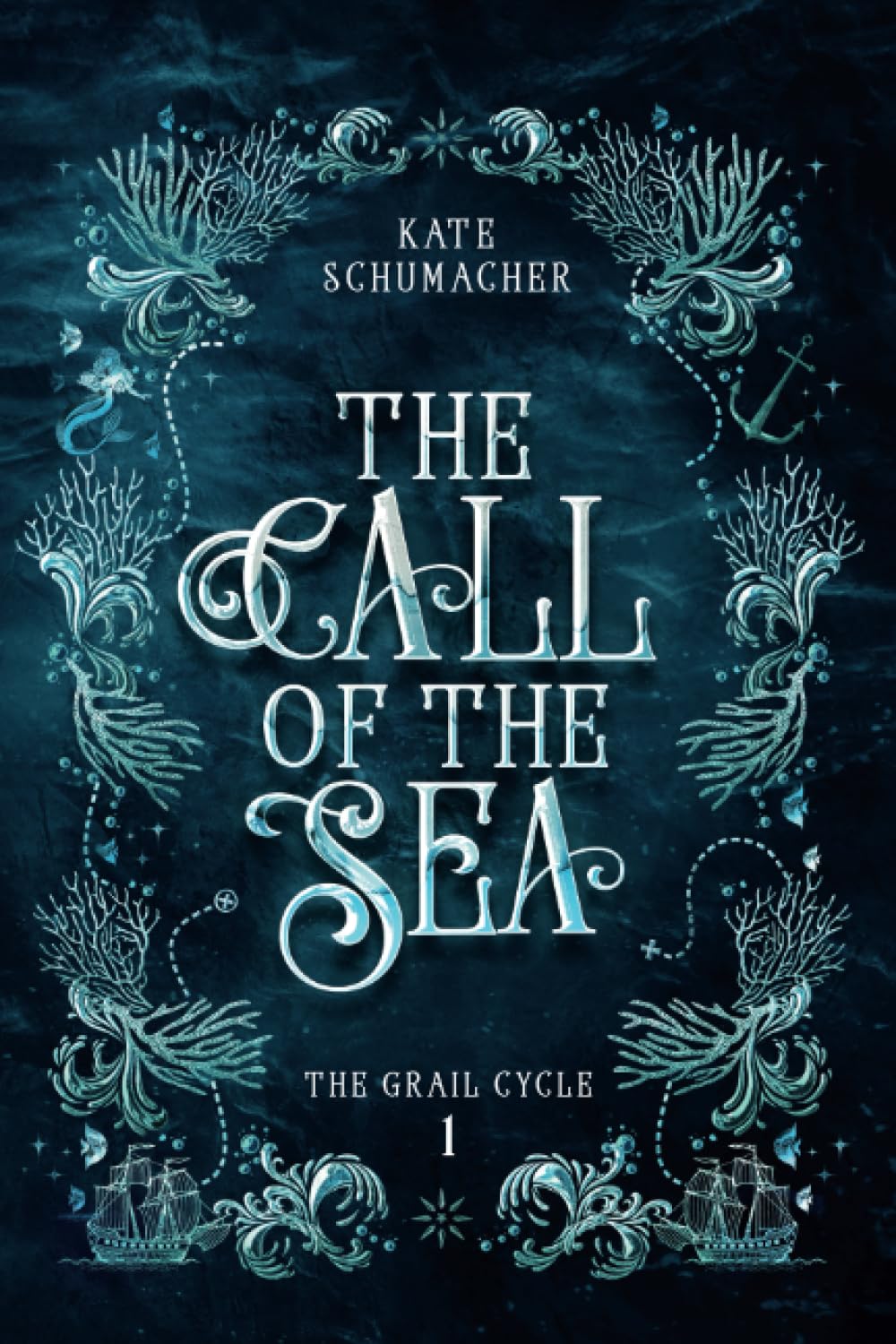
  • Book Review: The Call of the Sea

    Book Review: The Call of the Sea

    The Call of the Sea by Kate Schumacher is a maritime take on the Arthurian legends, told with an ensemble of characters and through multiple viewpoints. It is set in a land being changed—not for the better—by a monotheistic, orthodox religion (a thinly veiled critique of christianity) that seeks to keep women bound in their homes and sees homosexuality as sinful and shameful. It also seeks to rid the world of its old magic and those who can control it (hypocritically, of course, given that to detect magic one must possess magic). A series of events leads its three core characters—Jenyfer, Ordes and Arthur—on a mission to find themselves, find each other, and, yes, find the grail.

    The story is beautifully told, with vivid descriptions of the scenery and subtle world building. At the heart of the story are the relationships between the characters, romantic and otherwise, and they are deliciously lustful and thirsty for each other (be prepared for lots of burning flesh and clenching legs). The pacing is consistent and slow, with plenty of time for reflection and characterisation. This might put some people off, but it is deliberate, and it works, and people looking for a break from breakneck pace will find something to love here.

    Given its emphasis on the persecution of women and gay people, the author is not afraid to tackle difficult subjects. There are some graphic scenes, so just be warned going in.

    The first in a trilogy, this book does more to set up the characters and the problems affecting the world, so don’t expect much resolution as you get to the end. But, given the richness and depth of the world, I don’t doubt that after finishing this you will be hungry for the next instalment.

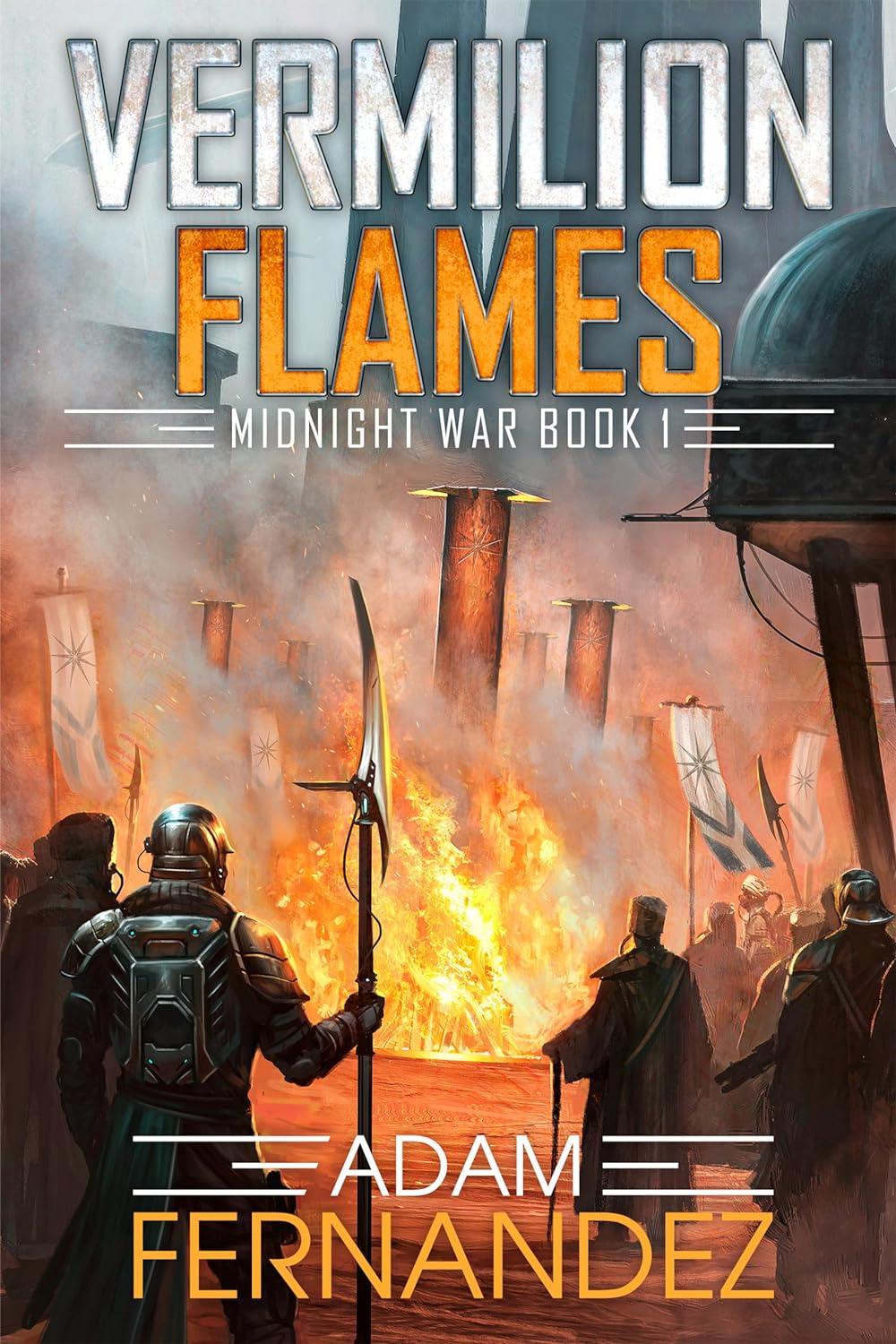
  • Book Review: Vermilion Flames

    Book Review: Vermilion Flames

    Vermilion Flames is an exciting introduction to the Midnight Wars series by Adam Fernandez. It follows Kaya, the rebellious daughter of a Mercurian lord, and Silas, the earnest commander of a powerful fleet of spaceships. Their stories intertwine as Kaya becomes coopted into a rebellious force as Silas seeks to crush it. Set in a feudal future where aristocrats and theocrats vie for power across the solar system, much will be familiar to fans of science fiction, and there is much for them to enjoy.

    The story is set up nicely and unfolds at a good pace, with a series of twists and turns (that I won’t spoil). The strength of the book is in its characters and world building. The characters have range, and their personalities come through well, while the world is fleshed out and believable. A favourite character of mine is Marcus, Silas’ brother-in-law, who is snackish and snarky, but with a tender, emotional side that comes across as the story develops.

    The book is generally well-written. There are areas where word choice could be more diverse, and there is some overuse of pronouns in places that makes it unclear who is talking. But these are minor flaws in an otherwise well-told story. The action sequences are excellent, and the dialogue between the characters showcases their personalities and how they develop: Kaya as she grows up and channels her youthful rebelliousness into serious activism, and Silas as he is torn between faith and family.

    Overall, this is a strong debut offering from an independent author, in a series that has great potential. I can’t wait for more!